









A loft conversion is one of the best ways to create more space at home. But many homeowners have the same question before they start: will a loft room get too hot in summer?
It is a fair concern. Loft rooms sit at the top of the house, close to the roof. They can receive more direct sun than rooms on lower floors. During hot weather, this can make a poorly planned loft space feel uncomfortable.
The good news is that a loft conversion can be designed to feel comfortable all year round. Keeping a loft room cool is not only about opening a window or adding a fan after the work is finished. The best results come from good planning at the start.
Insulation, ventilation, roof windows, blinds and window positions all play an important role.
At LMB Group, we help homeowners across London and the South East create loft spaces that are bright, practical and comfortable to use.
Why Can Loft Rooms Get Warm?
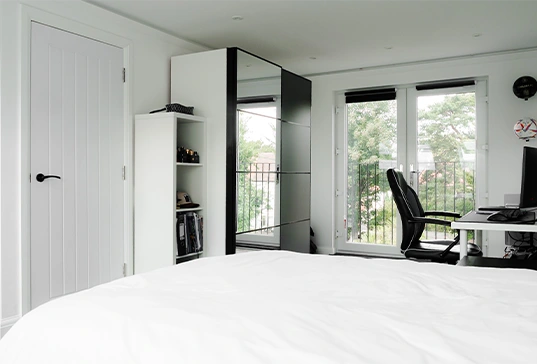
Loft rooms can feel warmer than other parts of the home for a few simple reasons.
First, they sit directly below the roof. This is where heat from the sun can build up during the day. Roof windows can also bring in a lot of natural light. This is great for making the room feel open and welcoming, but it can add heat if it is not managed well.
Warm air also rises through the house. On hot days, heat from the lower floors can move up and collect in the loft. This is more likely when there is limited airflow.
This does not mean a loft conversion has to feel too hot. It simply means that summer comfort should be part of the design from the beginning.
Good Insulation Helps in Summer Too
Many people think insulation is only there to keep a home warm in winter. It does that, but it also helps control heat in summer.
Good insulation helps slow down heat moving from the roof into the room below. This can make a real difference during warm weather, especially when it is combined with good airflow and sensible window choices.
Poor insulation can have the opposite effect. The room may heat up quickly during the day and feel harder to cool in the evening.
This is why insulation should never be treated as a minor detail. It is a key part of creating a loft room that feels good to use throughout the year.
Ventilation Is Essential
Ventilation is one of the most important ways to keep a loft conversion comfortable.
Where possible, the design should allow warm air to escape and cooler air to move through the room. This can be helped by carefully placed roof windows, dormer windows or other openings.
Cross-ventilation is especially useful. This means air can enter from one side of the room and leave from another. It is usually better than relying on one window alone.
High-level windows can also help because warm air rises. A roof window can let trapped warm air escape, especially in the evening when the outside temperature starts to fall.
Ventilation is important in any loft room. It matters even more in bedrooms, home offices and children’s rooms, where people may spend long periods of time.
Choose Roof Windows and Blinds Carefully
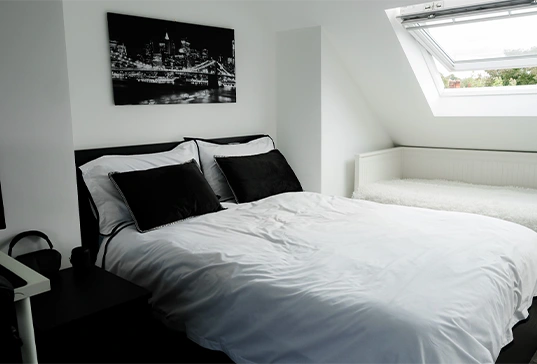
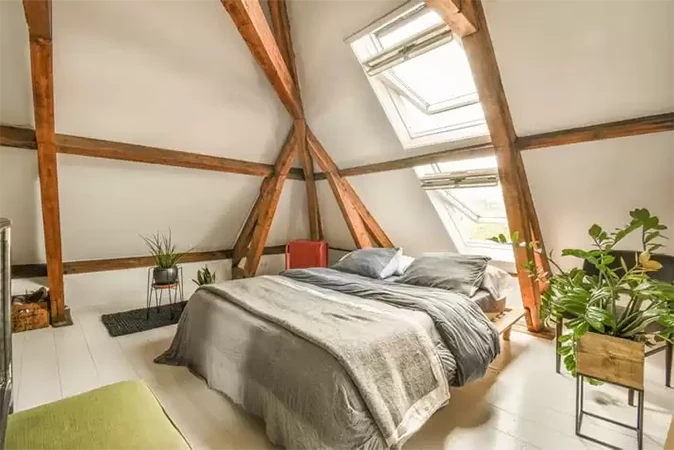
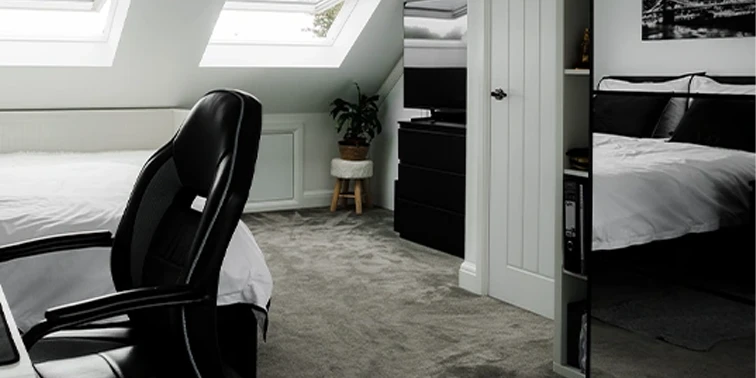
Roof windows are one of the best features of a loft conversion. They bring in daylight and help the new room feel bigger and brighter.
However, because they face upwards, they can also let in direct sunlight for long periods. The right window choice and shading can make a big difference.
Blinds are a simple way to control glare and reduce heat. Blackout blinds are useful for bedrooms. Solar or thermal blinds can help reduce heat during the day.
In some cases, external shading may also be worth considering. Stopping the sun before it reaches the glass is often more effective than trying to cool the room later.
The aim is not to block out natural light. It is to give you control, so the room stays bright without becoming uncomfortable.
Think About How the Room Will Be Used
The best way to keep a loft room cool depends on how you plan to use it.
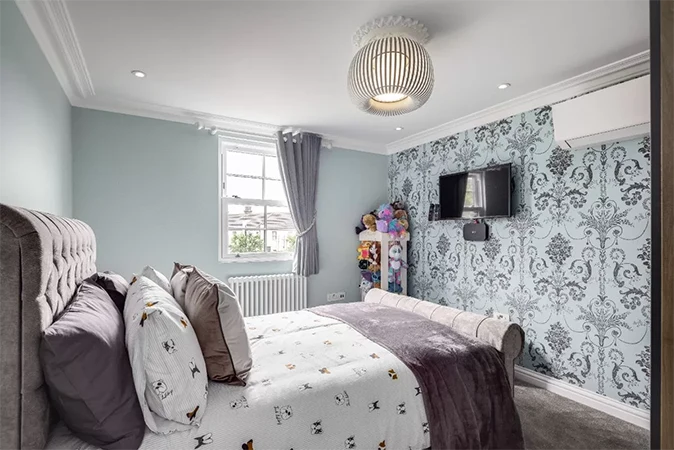
A loft bedroom may need blackout blinds, good night-time airflow and careful window placement. These can help make the room more comfortable for sleeping.
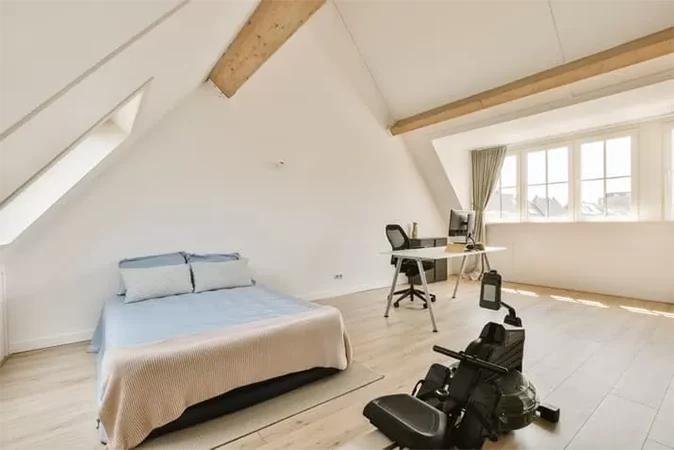
A home office may need glare control and steady airflow. It is also worth thinking about where the desk will sit, so it is not in the strongest sunlight.
A child’s bedroom or playroom may need extra thought around safe window openings and shading.
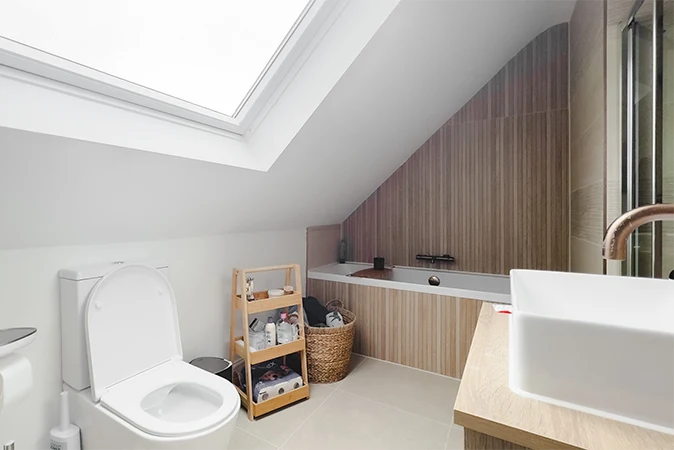
A loft bathroom will need good extraction to manage moisture as well as heat.
This is why early planning matters. The use of the room should guide the layout, windows, ventilation and finishing choices.
Reduce Heat Build-Up During the Day
Once your loft conversion is complete, simple daily habits can also help keep the room cooler.
During very hot weather, keep blinds closed during the hottest part of the day. This is especially useful for windows that receive direct sun.
Open windows early in the morning or later in the evening, when the air outside is cooler. This can help fresh air move through the space.
Internal doors can also affect airflow. At the right times, keeping doors open can help air move through the house. At other times, closing off a very warm room can stop heat spreading.
Portable fans can also help improve comfort. They work best when they help move cooler air through the room, rather than just circulating warm air.
Should You Install Air Conditioning in a Loft Conversion?
Some homeowners choose air conditioning for a loft room. This can be useful if the space will be used as a bedroom, office or main living area.
However, air conditioning should not be the first or only answer. A good loft conversion should start with the basics: insulation, ventilation, shading and sensible window placement.
If air conditioning is needed, it should be planned properly. You will need to think about where the unit will go, how it will be installed and how it will affect energy use.
For many homes, strong design choices at the start can reduce the need for extra cooling later.
Why Summer Comfort Should Be Planned Before the Build
Keeping a loft room cool is much easier when it is considered before building work starts.
Some changes can be made after the conversion is finished. For example, you can add blinds or change how the room is used. But key choices, such as insulation, window positions and airflow, are easier to get right during the design stage.
That is why it is important to work with an experienced loft conversion company. The room should not only look good on a plan. It should also work well in real life.
A good loft conversion should give you more space, more light and more flexibility. It should also feel comfortable in every season.
Planning a Loft Conversion?
If you are thinking about a loft conversion, summer comfort should be part of the conversation from the start.
At LMB Group, we design and build loft conversions for homeowners across London and the South East. We help families create useful spaces that work throughout the year.
Whether you are planning a new bedroom, home office, bathroom or flexible living space, we can help you understand what is possible.
Before arranging a consultation, you can use our online loft conversion price estimator. It gives you a clearer idea of likely costs before you move forward. It is a simple way to start planning with realistic expectations.
Thinking seriously about a loft conversion? Use our price estimator today and take the first step towards a more comfortable, practical home.